Jihan-2
Newsletter

Jihans Story

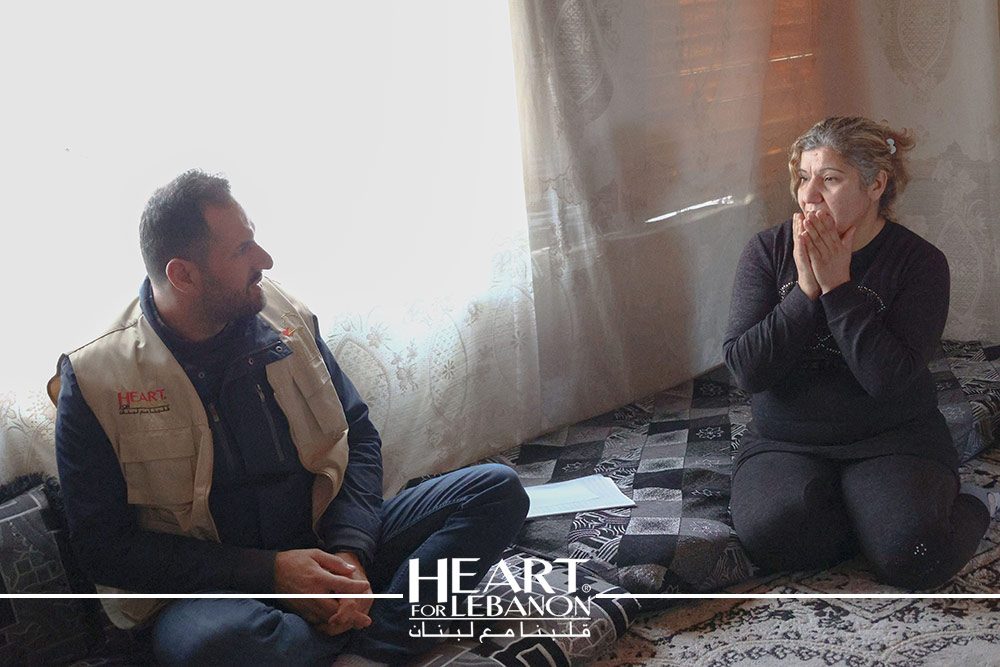
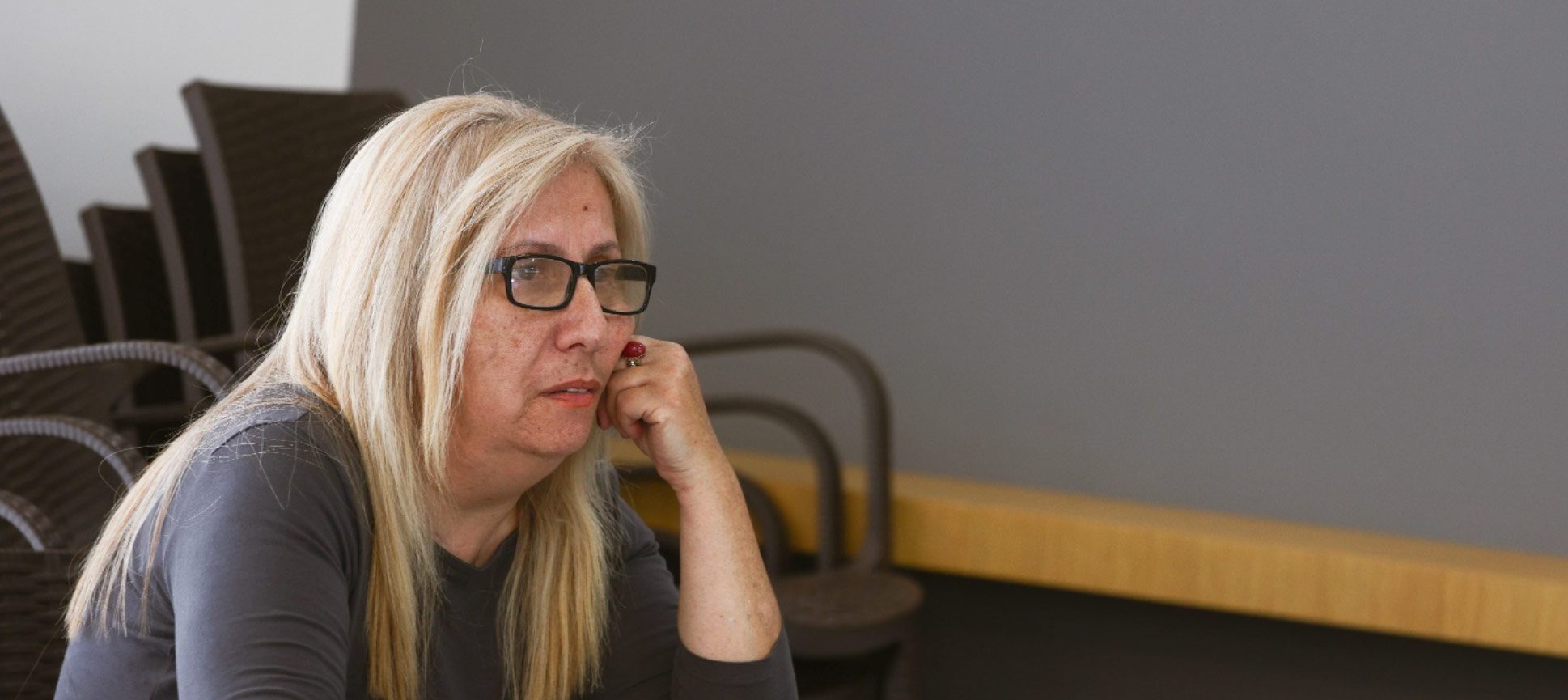
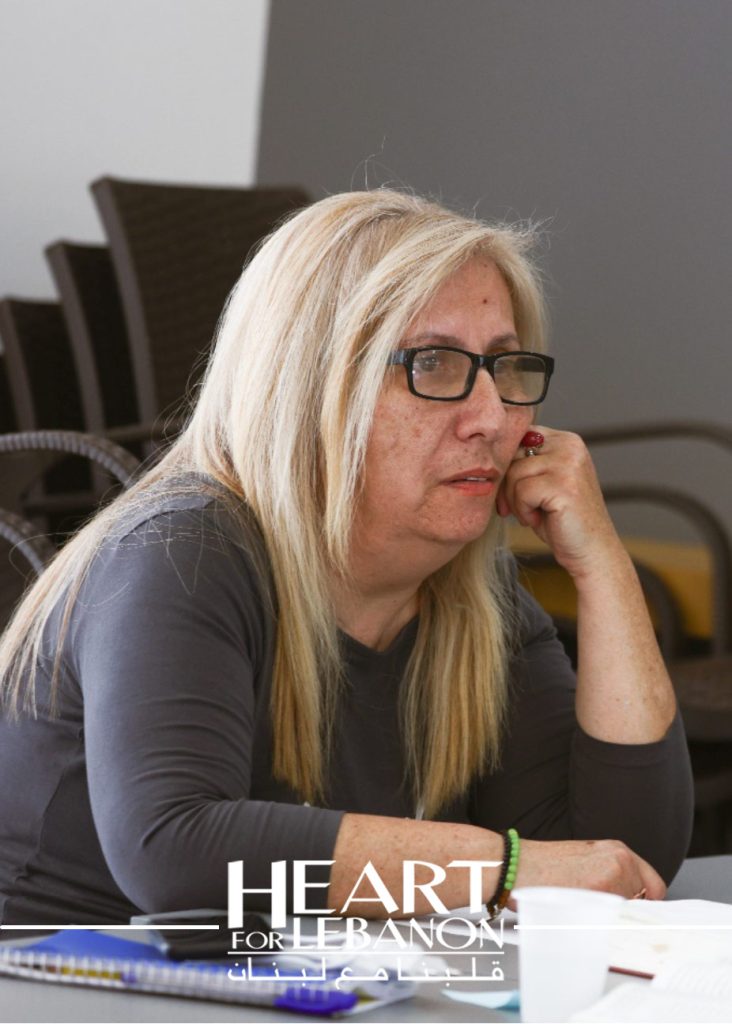
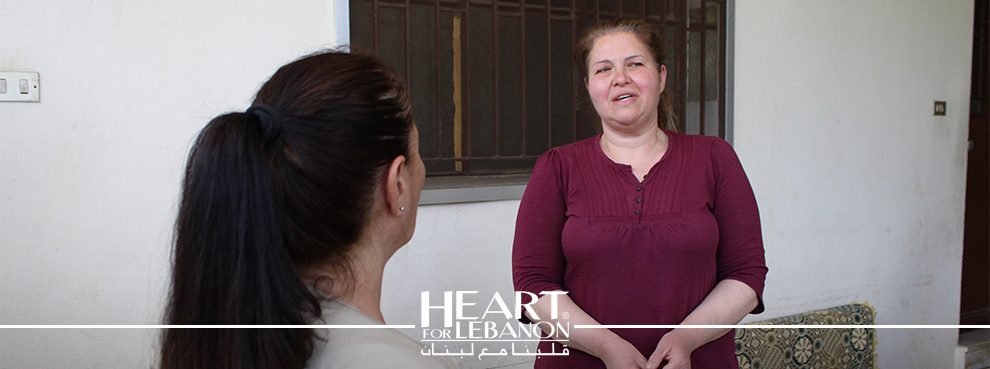
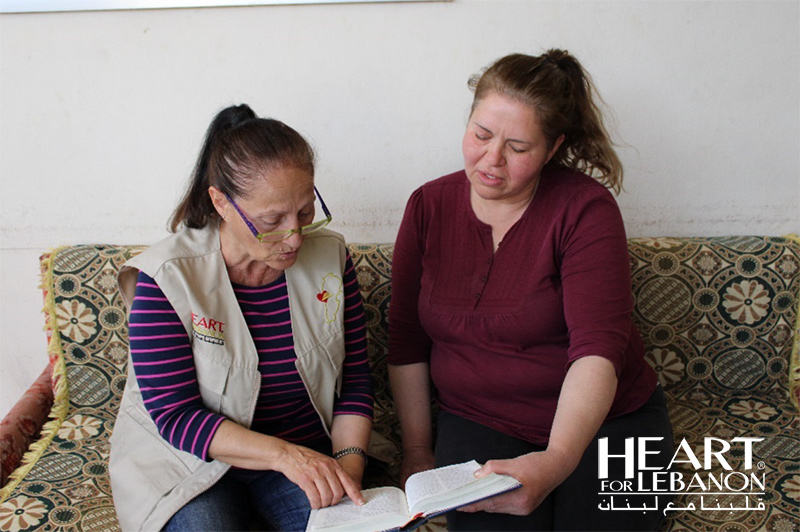
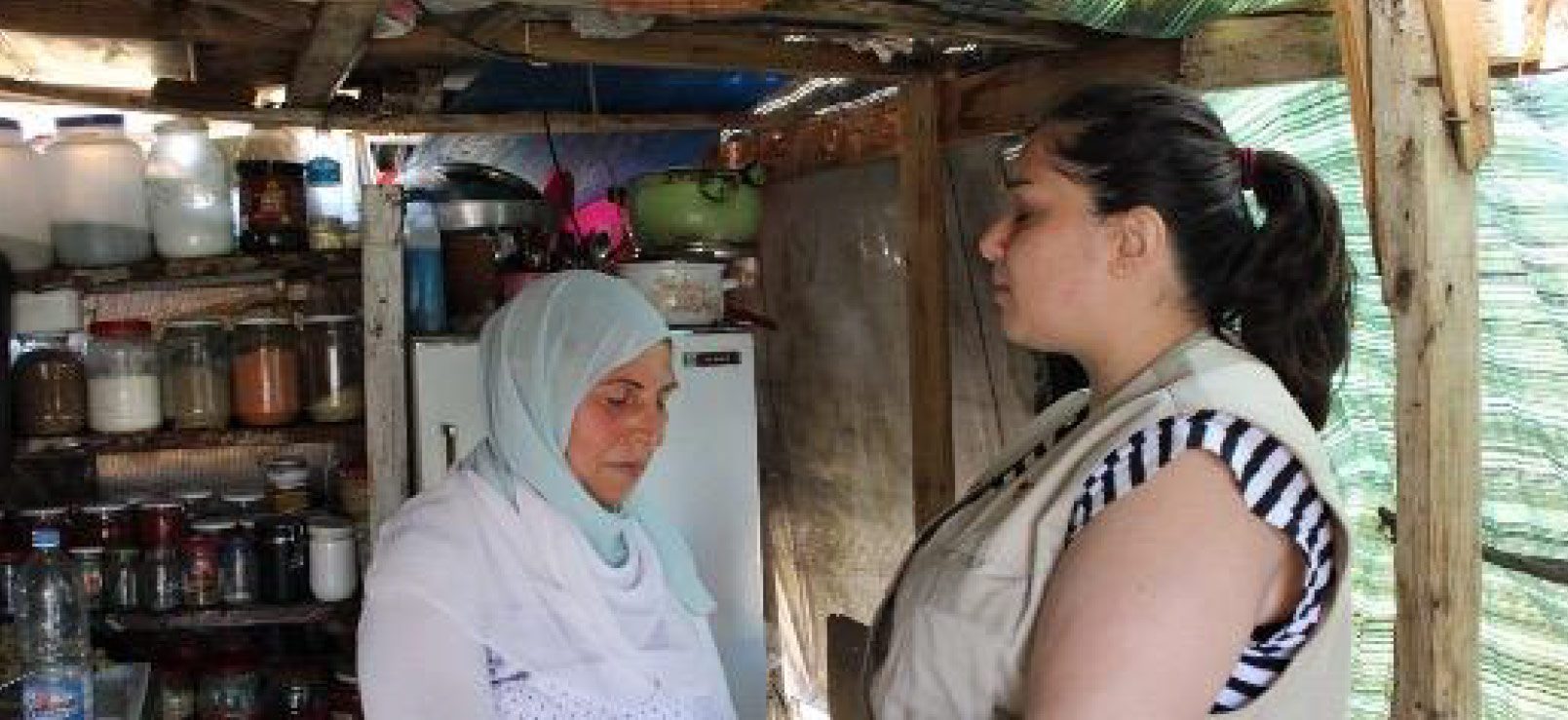
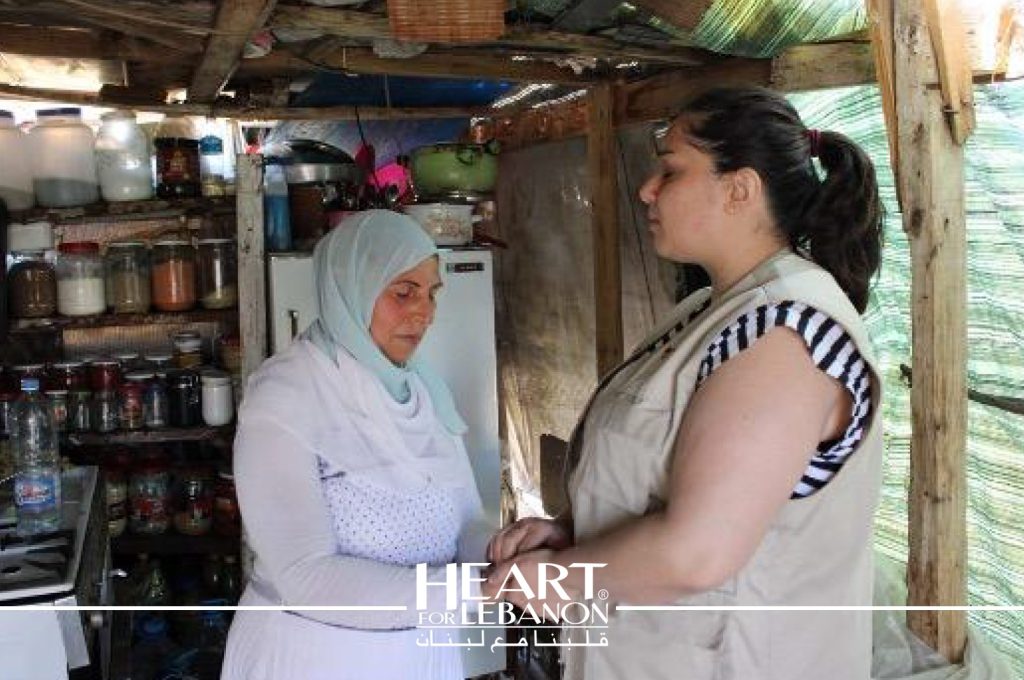
Jihan was born in Syria, in the village of Talghaz, near Afrin. She was part of a large family consisting of five sisters and four brothers. Jihan’s father had been blind since childhood, but he married his cousin, and together they had Jihan and her siblings.

At the age of seven, Jihan left her family and moved to Aleppo with her older sister, who worked to support her and cover her school expenses. However, when she turned thirteen, she and her sister returned to the village, where her sister got married, and Jihan stopped attending school.

Despite discontinuing her education, Jihan’s childhood was filled with love and support from her father, who, despite being blind, was passionate about culture and learning. He took it upon himself to teach and educate her. From the age of thirteen, until she turned thirty, Jihan lived with her family. The family was financially well-off due to their ownership of an olive orchard. Jihan helped her parents at home and in the orchard, and she had a close relationship with her father, often accompanying him everywhere and considering him her closest friend.

Jihan recalls how her father would carry her on his shoulders to reassure her and make her feel safe. Later, Jihan met her husband through mutual friends, and they got married. Shortly after their marriage, the war in Syria broke out, forcing her and her husband to move to Lebanon in search of safety and work opportunities.

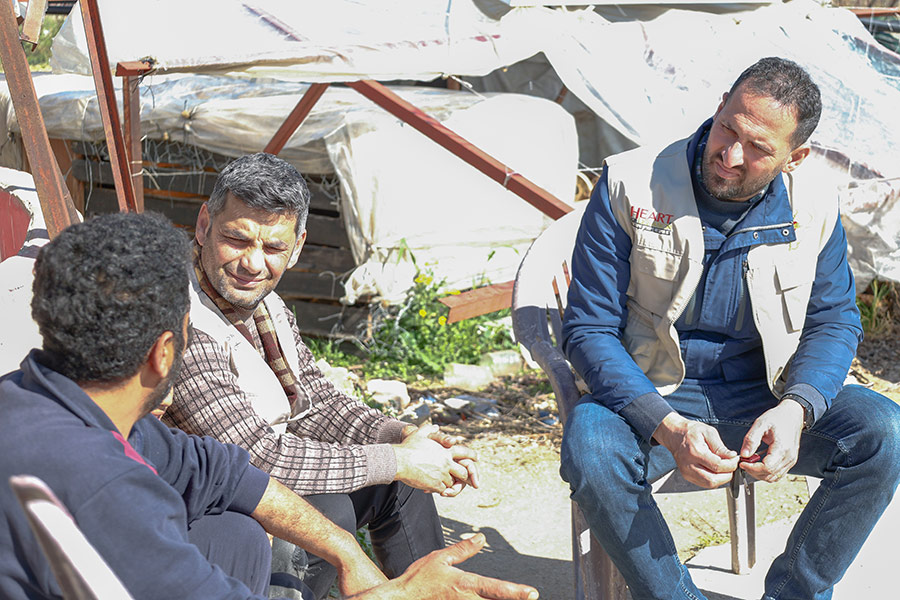
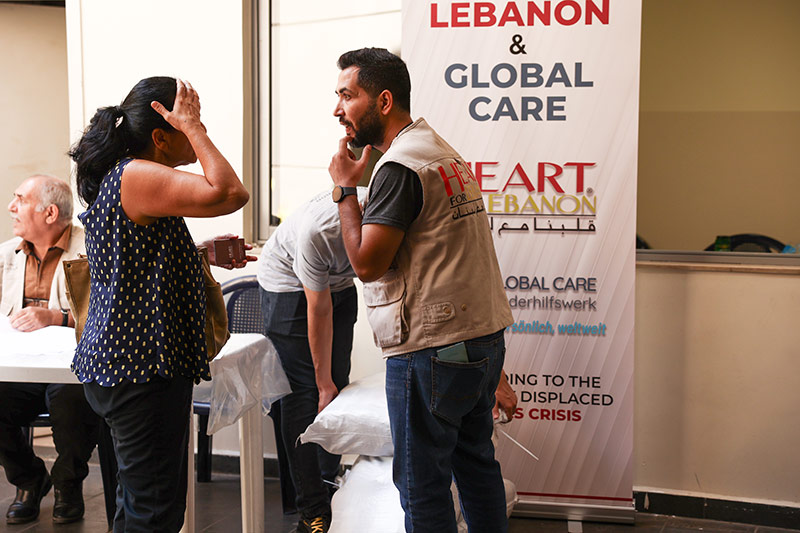
The couple settled in Lebanon, where they were blessed with a baby girl, but the financial and social conditions were difficult. They learned about the Heart for Lebanon and registered to receive food assistance. They were then invited to attend the Kurdish worship meetings organized by Heart for Lebanon, which they greatly enjoyed, and they began attending regularly.

Jihan enrolled her daughter at Heart for Lebanon’s H.O.P.E Educational Program. She told us that before attending the meetings, she held grudges against those who wronged her, but now she has learned the meaning of forgiveness and mercy thanks to the lessons she receives at Heart for Lebanon. Jihan speaks about the love and mercy of the Lord Jesus that she learns about and eagerly waits for Wednesday to attend the meetings. She feels that she is learning new things about life, faith, and all that concerns creation.

Jihan said, “Thank you for your material and spiritual care for us and your sincere love. I wish Heart for Lebanon continued success and perseverance in helping others. Many things in my life have changed because of these lessons.”
h4l-oct-story-2b
Uncategorized

Ahmad’s Story

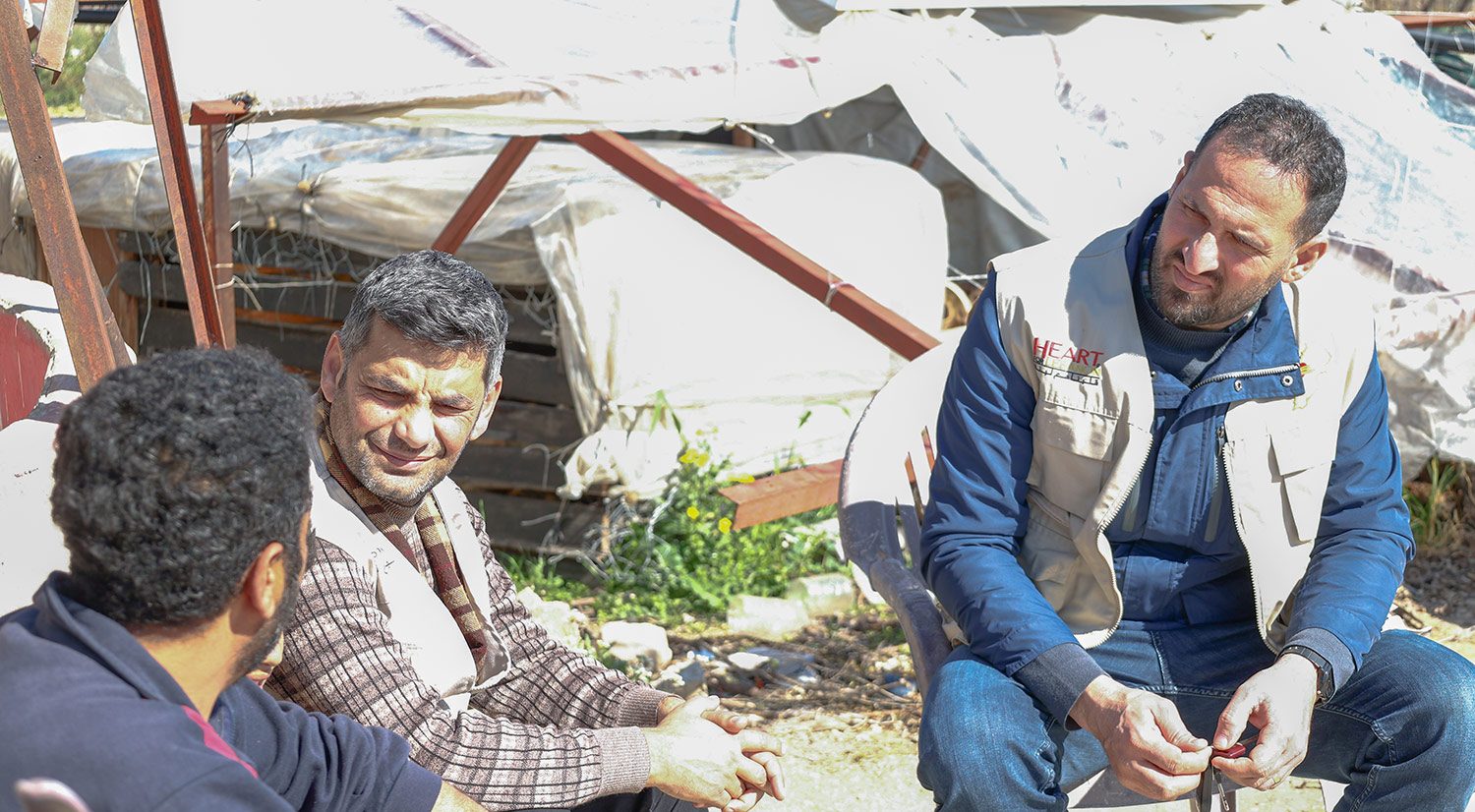
Ahmad, a 30-year-old Syrian man, married with three children. When the war in Syria forced his family to flee, they settled in Southern Lebanon. Ahmad’s family, from a conservative, non-Christian tribe, experienced immense joy with the birth of their first son, Salah. However, their happiness was shattered when Salah was diagnosed with a severe, life-threatening illness.

Desperate for help, Ahmad met a friend who attended Bible studies at Heart for Lebanon. He shared his son’s plight with the ministry’s team, who prayed fervently for Salah. Despite successful surgeries, Salah required colostomy bags. During a particularly challenging surgery, Ahmad recalled the prayers of Heart for Lebanon and clung to hope. To his relief, the surgery was a complete success.

Moved by the power of prayer, Ahmad joined the Bible studies and eventually the discipleship program at the Hope Evangelical Church in Ghazieh. His transformation was profound, and he became passionate about sharing the gospel. He gathered 40 of his relatives for Bible studies, led discipleship groups, and eventually became a trained church leader.

Ahmad’s impact (his “ripple”) extended to his community. He leads Bible studies for several families, some of whom have joined the Hope Evangelical Church. In May 2024, he participated in a discipleship program that reached over 200 people. The attendees were eager to engage in discussions, ask questions, and delve deeper into the Word of God.

One of Ahmad’s Bible study attendees, Khadouj, had also fled Syria due to the war. Her family had known Ahmad before they left Syria and sought his support in Lebanon. Ahmad visited them regularly, shared his testimony, and prayed for her husband’s illness. Through Ahmad’s guidance and prayers, Khadouj and her husband accepted Christ as their Savior.

Ahmad also leads Bible studies for Bodour, another Syrian refugee. Bodour’s daughter, Maya, was ill, and Ahmad’s prayers for her recovery helped Bodour to believe in the power of God. As a result, Bodour and her family began to embrace Christianity.

Ahmad’s story is a testament to the transformative power of faith and the impact one person can have on the lives of others. Through his dedication of sharing the gospel and his unwavering belief in God, Ahmad has brought hope and healing to many in his community.

Lebanon-Explosion-9
Newsletter

Southern Villages Emergency Support

Maarouf, a young man from a village in Sidon, Southern Lebanon, is still grappling with the aftermath of a terrifying night. On July 20th, his home was directly hit by an airstrike.

“I was with my family, gathered in the living room like every night. Then, we heard the sound of an explosion which was so close and very strong. Everyone started screaming, and some of us ran to the roof to see what was happening. I remember that my brother-in-law and my parents stayed in the house. As soon as we reached the roof and saw the fire burning on the coastal road, the sounds started to increase and get stronger. The next thing we knew was that a projectile hit our house,” Maarouf recounted.

The airstrike caused immense damage to the house but miraculously did not explode. “I was very afraid for my family. We started running towards the house; the scene was indescribable. We are all fine, but the destruction was in the walls and rooms as what hit us passed through and broke four walls in the house,” he explained. With the living room, dining room, and kitchen rendered uninhabitable, the family sought refuge at Maarouf’s sister’s home.

The night his family fled was a relentless barrage of explosions. “That night, things were hitting and devastating many houses in the village; it was a nightmare for all of us,” Maarouf said. The ordeal has had a profound impact on his family. “Many people got injured; my brother-in-law, who stayed in the house with my parents while I went to the roof to see what was happening, lost his sight in one eye. Currently, he needs surgery to restore his sight,” he shared.

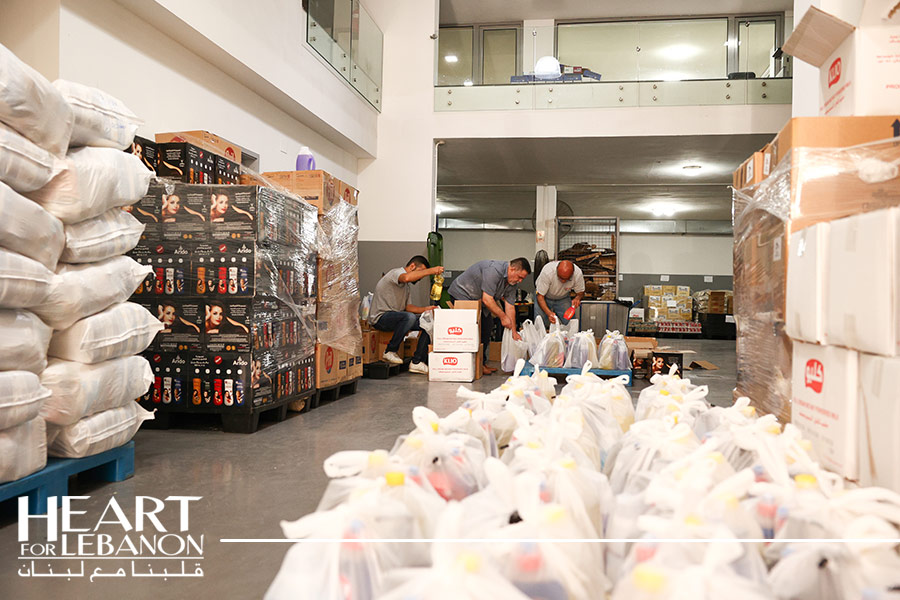
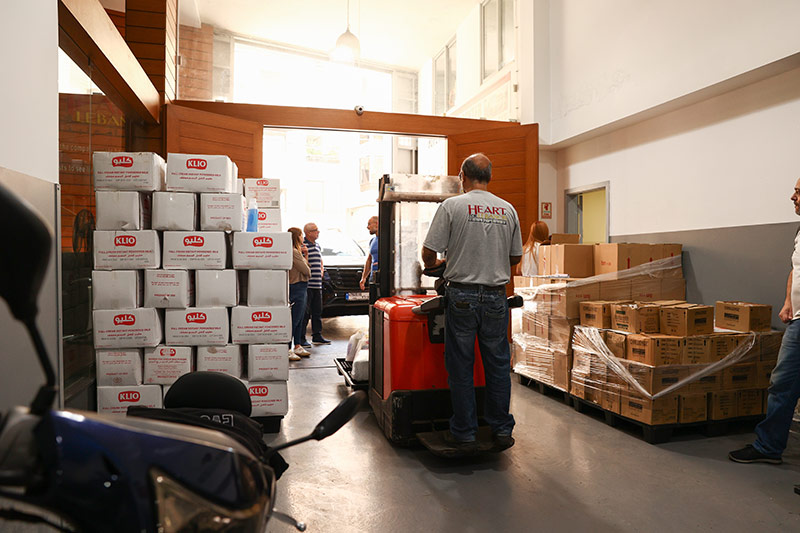
Heart for Lebanon has provided Maarouf and his family with essential food and cleaning supplies as they work to rebuild their lives. Beyond the physical necessities, the care package represented a connection to a wider community. It was a message of hope, a testament to the kindness of strangers. This newfound sense of support bolstered Maarouf’s resilience and strengthened his family’s determination to rebuild their lives.

h4l-river-ripple3
Newsletter

The Ripple Principle

By Tom Atema

Our family goes to taco Tuesday every week. It is very normal for me to take my great grandson down to the brook that runs behind the restaurant so we can throw stones in the brook, he can take his shoes off and slap his 1-year-old foot into the brook. As he slaps his little foot into the water, ripples flow from his footprint outward. If we pick up a little stone and throw it in, it has the same ripple effect except the ripple is a little taller, stronger and goes longer. Then I get the “signal” and I throw in a bigger rock that makes a huge splash and the ripple is high, wide and runs across the brook to the other side and slides back some.

Like a foot, a pebble or a stone, it makes no difference when they hit the water; each one creates rings of water that flows outward. We call them ripples.

You and I hold the power to the Ripple.  With all the devastation in Lebanon we have a lot of opportunities before us. But nothing is more important than to share the Gospel as we help people restore their lives. What we do today will have an impact for generations to come. Just think of the people, who over the next months, will receive physical, emotional and spiritual help and the opportunity to meet Jesus.

Heart for Lebanon is entering into another season of ministry. If all goes as planned in 2025, we are planning to break ground on a new facility in Southern Lebanon. However, trust me, it’s not the 3 buildings that we believe God would have us build for greater impact in the days ahead that’s important, the facility is just like a stone, it will be our permanent campus in Southern Lebanon from which the Gospel will ripple out.  The ripples from this facility will impact generations to come, not only in Southern Lebanon but throughout the nation and the Middle East for sure and maybe, just maybe, around the world.

Today at the top of Heart for Lebanon’s ministry philosophy model is its Missional Leadership Development program. This three-year disciple making program trains men and women from various ethnic backgrounds, all excited, passionate followers of Jesus Christ, to be solid, sold-out ambassadors, disciples for Jesus Christ no matter where God sends them in the world.  Heart for Lebanon’s Missional Leadership students are already making ripples by making their lives count forever by following Jesus and making Him known in their neighborhoods in the nation of Lebanon. 

In decisions big and small that you and I make today, our faithfulness to God causes a ripple effect that not only influences the present, but generations to come. Take Ruth’s faithfulness, for example. Ruth had no idea that the fruit of her obedience would include Jesus’ birth in her family line. Ruth’s decision has a positive ripple effect. Or take the young lad who gave Jesus his 5 loaves and 2 fishes (his stone) and what did God do? He fed thousands and had some left over. It’s the ripple principle.

What you invest in today, will have a ripple effect farther than you can even imagine. Can you fathom what God will do with the current 146 students in our Missional Leadership Development Program? 

It is true that what you and I do today will cause a series of other things to happen further down the line.

Click Here To Read

Ahmad's Story

Displaced5
Newsletter

Displaced Southern Villages

Amal, a devout woman from the border village of Alma Al Shaab in southern Lebanon, has endured a series of devastating hardships. Her husband, the family’s sole provider, tragically passed away three years ago due to COVID-19. To support her family, Amal took on a cleaning position at a local company.

Her three children, including a married daughter and two sons, previously resided in Beirut. Following their father’s death, they returned to Alma out of concern for their mother, sacrificing their city jobs for familial stability. However, the recent outbreak of war forced them to relocate once again.

Unable to reach her workplace, Amal lost her job, plunging the family into financial uncertainty. Their dwindling savings now sustain them as one son works as a waiter and the other in a gym. The future is bleak as their financial reserves dwindle.

Amal’s psychological well-being has been profoundly impacted by these cumulative crises. Her grief over her husband’s death has deepened, exacerbated by the ongoing turmoil. Heart for Lebanon has provided essential food assistance to Amal’s family through an emergency relief program aimed at mitigating the suffering of those affected by the war in southern Lebanon.

The support provided by Heart for Lebanon was more than just material aid; it was a catalyst for hope. As the family navigated the challenges of displacement and economic hardship, the care packages continued to arrive, offering a steady source of support and encouragement. In the darkest hours, these packages were a glimmer of light, reminding Amal and her family that better days were possible as it symbolized a sense of community and solidarity. It was a tangible reminder that they were not alone in their suffering, and that others cared deeply about their plight.

h4l-displaced-test3
Newsletter

Displaced

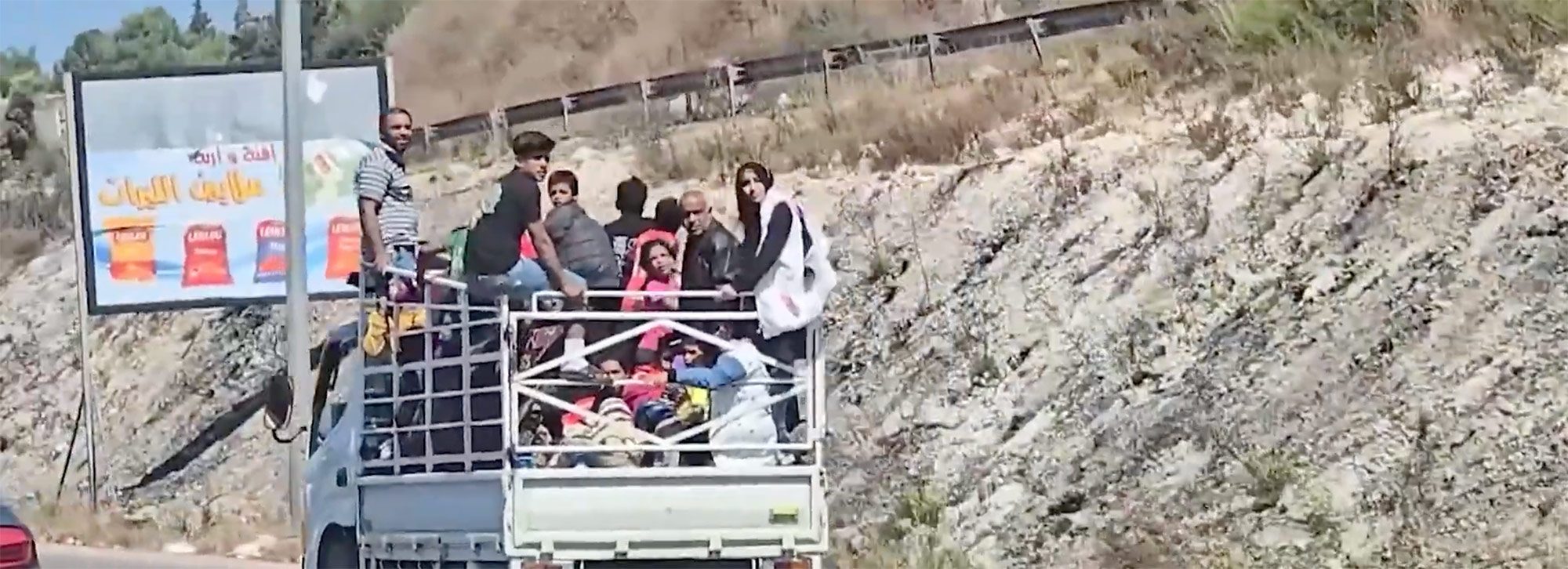
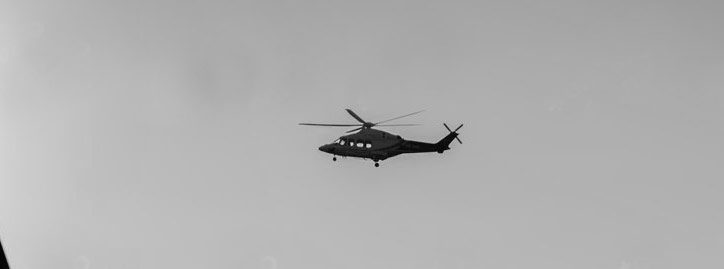
The constant drone of helicopters and the distant rumble of explosions had become the soundtrack to Saeed’s life. A man from a small village in South Lebanon, he had lived off the land for decades. But the recent escalation of conflict had forced him, like countless others, to flee his home.

“I left everything behind,” Saeed said, his voice heavy with sorrow. “My olive trees, my home. It’s like a part of me is still there, trapped.”

His journey to Beirut was a blur of fear and uncertainty. He sought refuge with relatives in a cramped apartment, already overflowing with extended family.

Cynthia, a young mother, echoed Saeed’s plight. “We were living a simple life,” she recalled, her eyes filled with tears. “Our home was small, but it was ours. Now, we share a two-bedroom apartment with my parents, siblings, and their children. There’s no privacy, no peace.”

The cost of living in Beirut had skyrocketed, making it impossible for many displaced people to find affordable housing. Ibrahim had to spend all his savings on renting a house for his family.

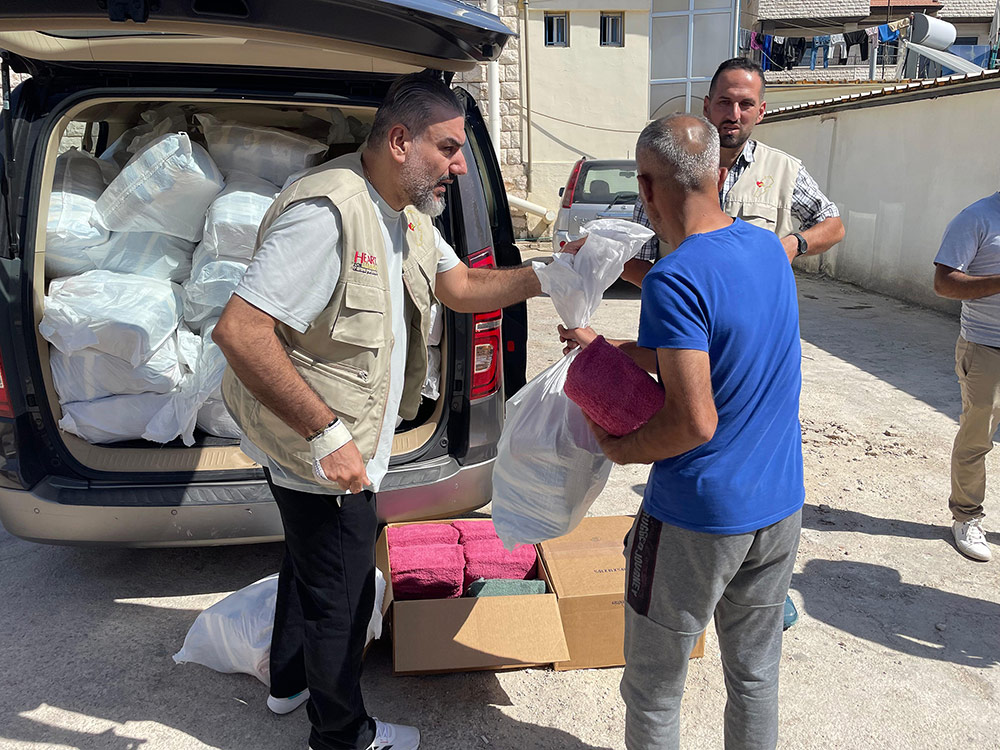
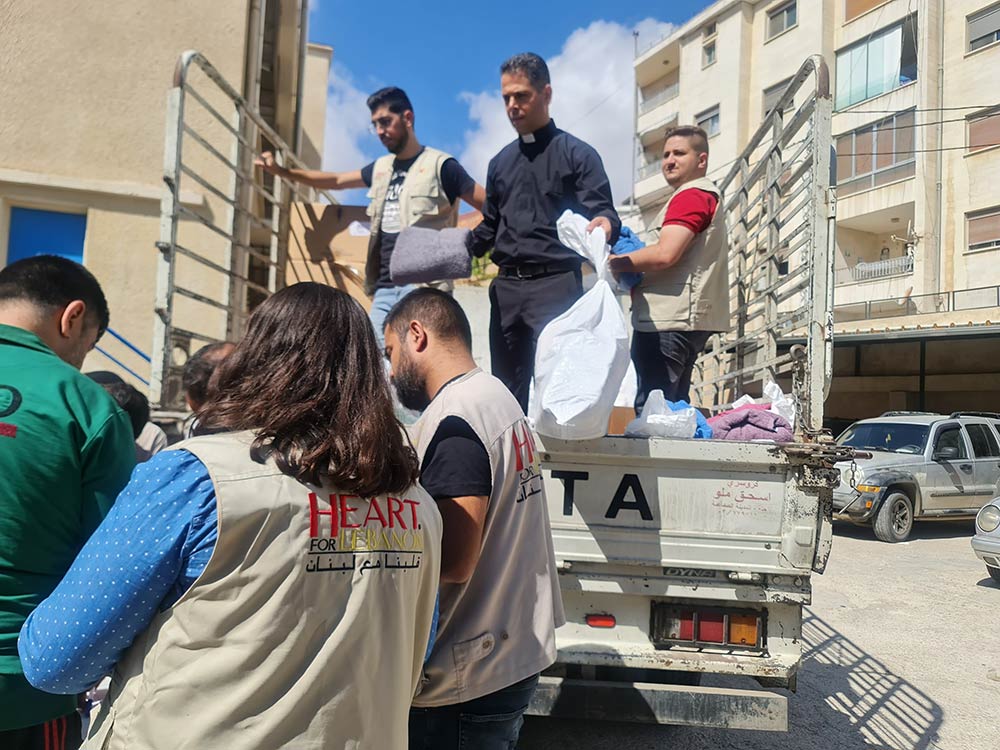
For these individuals and countless others, Heart for Lebanon’s care package was a light amid darkness. Heart for Lebanon, dedicated to providing aid to those affected by the crisis, was distributing care packages filled with essential items.

“This package is like a lifeline,” Cynthia said as she held her care package. “It has food and hygiene products. It’s more than just material things; it’s a symbol of hope.”

Saeed agreed. “May God bless those who helped us. This package made a huge difference in our lives, it almost covered 50% of our needs to survive through these circumstances.”

Ibrahim, his eyes filled with gratitude, said, “I feel less alone now. I know some people care.”

The recipients of the care packages gathered at Heart for Lebanon’s center in Beirut, sharing stories of loss and resilience. Amid their suffering, they found solace in their shared experiences and the kindness of strangers.

Heart for Lebanon’s efforts was more than just a distribution of supplies; it was a message of solidarity, a reminder that they were not forgotten. As Heart for Lebanon continued its work, providing aid and support to those in need, it became clear that in the face of adversity, the human spirit could find strength in compassion and faith.

h4l-our-mission-2
Newsletter

Our Mission in times of crisis

by Camille Melki

In times of crisis, the church, Heart for Lebanon, and the body of Christ at large, should stick to its God given mission. 

So what is our God given mission? I see it in two parts: 1) to edify, pray for, encourage, and strengthen the believers and 2) to share the Gospel with the masses, starting with those nearest to us. I got this two part-mission focus from the Book of Acts where we see the church then, the body of Christ in those days, dealing with crises. In chapter 12 we see Peter thrown in jail and in chapter 16 we see the same happening with Paul and Silas. In both instances the evil one thinks he can defeat the church by creating a sense of despair; putting the leadership in jail and spreading fear within the body of Christ.

In both instances the evil one has failed – and the evil one will fail today as well!

In Peter’s story we see him deep asleep, confident of the peace Jesus has given him. When the angel visits him, scriptures tell us that the angel needed to strike Peter to wake him up. Once freed, Peter went straight to his brothers and sisters to encourage and strengthen them too. The earnest prayers of the believers have been answered.

In Paul and Silas’ story we see that they were “praying and singing hymns to God”. Wow, what a sense of peace they had! They knew that the one in them is greater than the one who is in the world (1 John 4:4). Then came the earthquake and the prison doors flew open. We read in Acts chapter 16 that the jailer wanted to take his own life but Paul’s words to him stopped him and then the jailer asked: sir, what must I do to be saved? vs 30. The same is true today. Many are afraid and many are living in despair. There is only comfort and only hope in the Gospel. Many are asking what shall they do to be saved? Are we ready to respond to such a question? Or are we too busy with our own worries and with our own fears?

Simply said, the church’s mission was and will always be to strengthen, encourage, and edify the believers. Its mission is also to share the Gospel; making disciples, followers of Jesus Christ, the prince of peace. 

This is the Heart for Lebanon mandate: to lead people from despair to hope in Christ. It is, and it will always be our mission: to make disciples. 

h4l-bible-study-2b
Newsletter

The Reconciliation Equation

by John Crump

Among the single words you could choose to describe the central message of the Bible, or to describe the reason that Jesus came to us, “Reconciliation” would be near the top of that list. It’s a powerful, potentially life-changing word. In short, it means to restore a relationship that has been broken or damaged. This is the central message of the Bible; this is the reason Jesus came to us. To make possible reconciliation with God for every human being. This is what Heart for Lebanon is trying to accomplish, in a variety of ways, in the lives of the people we serve. This is what every follower of Jesus is called to be, an ambassador of reconciliation (2 Cor. 5:18-20).

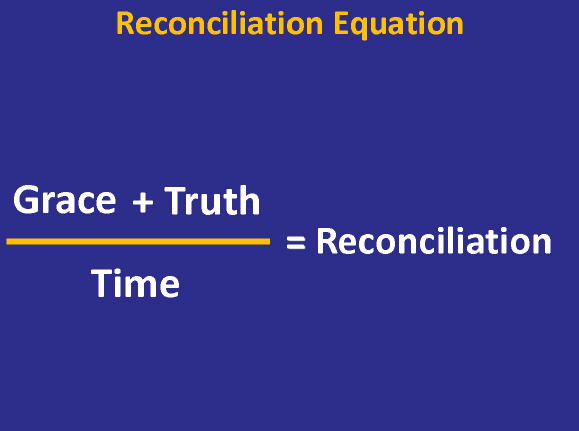
What if I told you that there is an equation that, when lived consistently over time, can make reconciliation more possible in any relationship, life, or circumstance. It’s true. Here it is:

This equation is taken straight from John 1:14;17, which says this: “The Word became flesh and made his dwelling among us. We have seen his glory, the glory of the one and only Son, who came from the Father, full of grace and truth…For the law was given through Moses; grace and truth came through Jesus Christ.” (NIV)

Jesus told us that He did not come to abolish the law of Moses, but that He came to fulfill it (Matt. 5:17). These John 1 verses tell us that the law came through Moses, but Grace & Truth came through Jesus Christ. They tell us that Jesus was the fullness of Grace & Truth, the human embodiment of Grace & Truth. Jesus IS Grace & Truth. So, you could say that Grace & Truth is the fulfillment of the law of Moses. We no longer live under the law; we live under Grace & Truth. Earlier, we said that Jesus came to make reconciliation with God possible. So, when the perfect expression of Grace & Truth arrived, reconciliation was now possible for all of us. Are you seeing how this equation came together through Jesus? We’ll get to the element of “Time” in a moment. 

The point of this equation is this: When any one of us can bring Grace & Truth consistently over Time into any circumstance or relationship, reconciliation becomes more possible. Unfortunately, there are no guarantees that reconciliation will happen because circumstances and relationships always involve other human beings who have free will. However, if we can bring Grace & Truth, essentially bring Jesus, who is Grace & Truth, consistently over Time, into any circumstance or relationship, reconciliation becomes more possible. 

Heart for Lebanon has consistently brought Grace into the hard Truth of the lives of the people God called us to love, serve, and reach. The Truth is, most of these families were without homes, food, basic necessities of life. But Grace was our team providing the most vital of those necessities along with a genuine, authentic relationship. The result has been that hundreds of the people we serve have been reconciled to Jesus! Not only that, but they have slowly been reconciled to a life with purpose, direction, and meaning. Grace entered the hard Truth that existed and the result was people being led away from despair and reconciled with HOPE!

There has been another key element at work through our Heart for Lebanon team: Time. Our team has brought Grace & Truth consistently into the lives of the people we serve for 18 years. Grace & Truth (Jesus) are not magic dust that you sprinkle on a circumstance or relationship and…POOF!…reconciliation magically happens. No, Grace & Truth are things we live consistently, day in and day out. When we bring Jesus (Grace & Truth) into any circumstance or relationship, consistently over Time, reconciliation has a chance to happen. This equation has been proven true in life after life as many people and families we serve have been reconciled to Jesus, to each other, and to the hope of a better life in the future.

Zeina-story
Newsletter

Zeina’s Journey of Resilience and Hope

Zeina, a Lebanese woman and cancer survivor, has endured unimaginable hardships, including the tragic loss of her daughter to the same disease. Amidst the economic turmoil that followed, she found solace in the support of Heart for Lebanon.

After connecting with Heart for Lebanon through a friend, Zeina received regular visits from the team. They prayed with her, assessed her needs, and provided essential care packages. As Zeina expressed, “During a time of immense darkness, I felt seen and supported.”

Years later, as Lebanon faced renewed violence and escalating conflict, Zeina became a regular attendee of Bible studies and worship services at the Hope Evangelical Church in Zahleh. Despite the heavy bombardment of the Bekaa Valley, Zeina found peace at Heart for Lebanon. She shared, “When I come to church, I forget about the war and my worries. It’s my safe place, my refuge.”

The care package provided by Heart for Lebanon has also been a source of relief. Zeina explained, “I no longer have to worry about food. Heart for Lebanon is taking care of my needs.” She added, “They have been a light in my life, leading me to meet Jesus as my Savior.”

Heart for Lebanon continues to offer compassion, love, and hope to vulnerable families in Lebanon, responding to their spiritual and physical needs in tangible and holistic ways.

story-for-wesbite-fi-2
Story

The Power of God’s Word

Maral Iskandarian was born in Bourj Hammoud, Lebanon, in a family of four that consisted of her parents and one brother. Her father was a tailor while her mother was a seamstress. Even though they were not rich, they were able to provide for their basic needs.

At the age of five, Maral started her schooling at a local private school. She was a top student, and thus, she graduated with distinction in 1990. Her goals were more inclined to follow engineering at college. Nevertheless, the persistence of the Lebanese Civil War was the trigger for the sudden change of her plans. The family had to live in makeshift bomb shelters due to the constant shelling of the neighborhood in Beirut, and at the same time, they had to struggle to maintain their life on a low income.

Maral’s educational endeavors became impossible after the halt of the war. She did not opt for the major of fashion design but she decided to learn the skill of sewing from her parents and thus became a seamstress. At the same time, she was also very loyal to her denomination, and on the other hand, she was very active at her church, she went to mass every day and was in the choir.

Nizar, a taxi driver who transports passengers from Aanjar to Beirut, would sometimes go to the same sanctuary where Maral would go to pray. It became their meeting point. After a long courtship of two years, they obtained the matrimonial vows. Maral lived with her husband in Aanjar, where they started a simple and happy family, with three sons and two daughters.

Even after the transfer, Maral was still a great member of her spiritual community. She kept the traditions and was partaking in church services. Through familial relations, she was introduced to her husband’s cousin, who was a regular attendee of Bible study classes conducted by Heart for Lebanon and he invited her to join.

The idea of learning about the Bible intrigued Maral and she started to study its deep and amazing teachings. For the next few weeks, she was always in class and took part in the discussions which gave her spiritual well-being and comfort.

The ideas gathered from these meetings helped Maral to have a deep understanding of spiritual growth. In conclusion, she said, “In the classes, I acquired the skill to develop a personal relationship with the Lord, and thank God for the blessings that he has given me. I also made new friends in the Christian community, and had deep discussions about the Bible, which was different from the small talk that we had in the past.”

With zeal, Maral seized the chance to extend her knowledge through discipleship classes, and in the end, she accepted the invitation to participate in the leadership training courses. Along with a pen and paper, she delved into the world of knowledge, actively involved and asking for the answers to the questions about Christian leadership and servanthood.

“Each lesson that I learn is a new wisdom that helps me choose the right words when sharing the gospel and a better way to know the people I want to help,” she said

Throughout her spiritual development, Maral wanted to be a vessel of divine grace.