by Elio Constantine
Lebanon, once a beacon of diversity and prosperity in the Middle East, now teeters on the brink of collapse, battered by a relentless onslaught of crises. Years of political instability, economic mismanagement, and the Syrian refugee crisis have converged, leaving the nation and its people grappling with unprecedented levels of suffering and uncertainty.
Political Paralysis and Sectarian Strife
Since 2005, Lebanon has been mired in a protracted political crisis, characterized by chronic instability, sectarian tensions, and pervasive corruption. The assassination of Prime Minister Rafiq Hariri triggered a wave of protests and political upheaval, leading to the withdrawal of Syrian troops after a 29-year occupation. However, this power vacuum was quickly filled by Hezbollah, a powerful Shiite militia and political party, further exacerbating sectarian divisions and fueling regional proxy conflicts. The subsequent 2006 war between Hezbollah and Israel devastated Lebanon’s infrastructure and economy, deepening the political crisis and leaving the nation vulnerable to external manipulation.
Economic Collapse: A Nation in Freefall
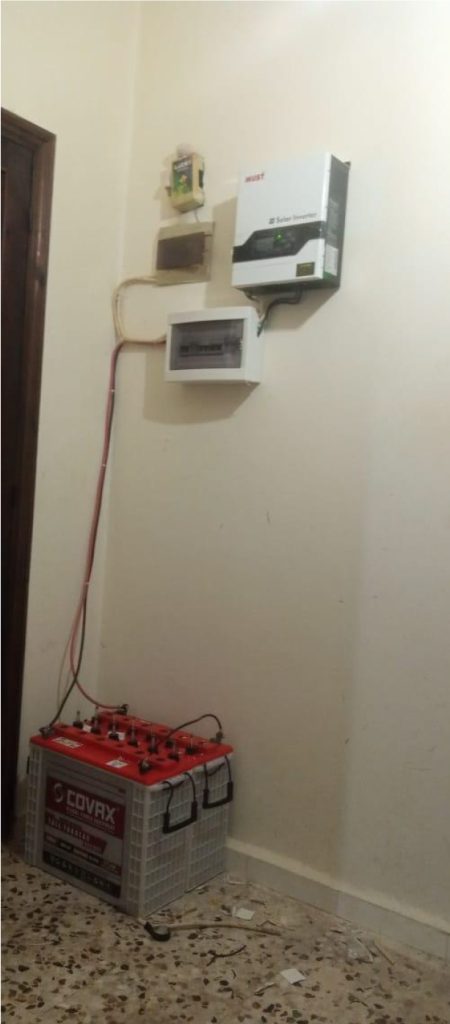
Lebanon’s once-thriving economy has imploded under the weight of decades of mismanagement, corruption, and external shocks. The Lebanese pound has lost over 90% of its value, plunging millions into poverty and wiping out savings. Hyperinflation has ravaged the economy, making basic necessities unaffordable for many. Businesses have shuttered, unemployment has soared, and essential services like electricity and healthcare have deteriorated. The financial sector has collapsed, trapping people’s savings and further fueling economic hardship.
The Syrian Refugee Crisis: A Humanitarian Catastrophe
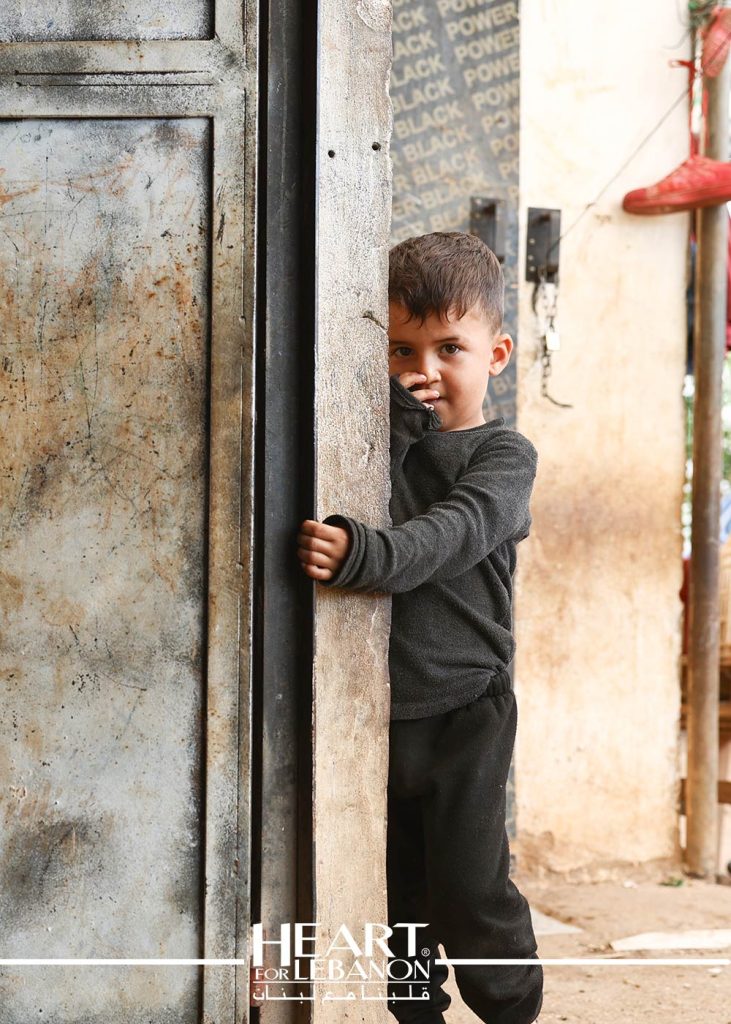
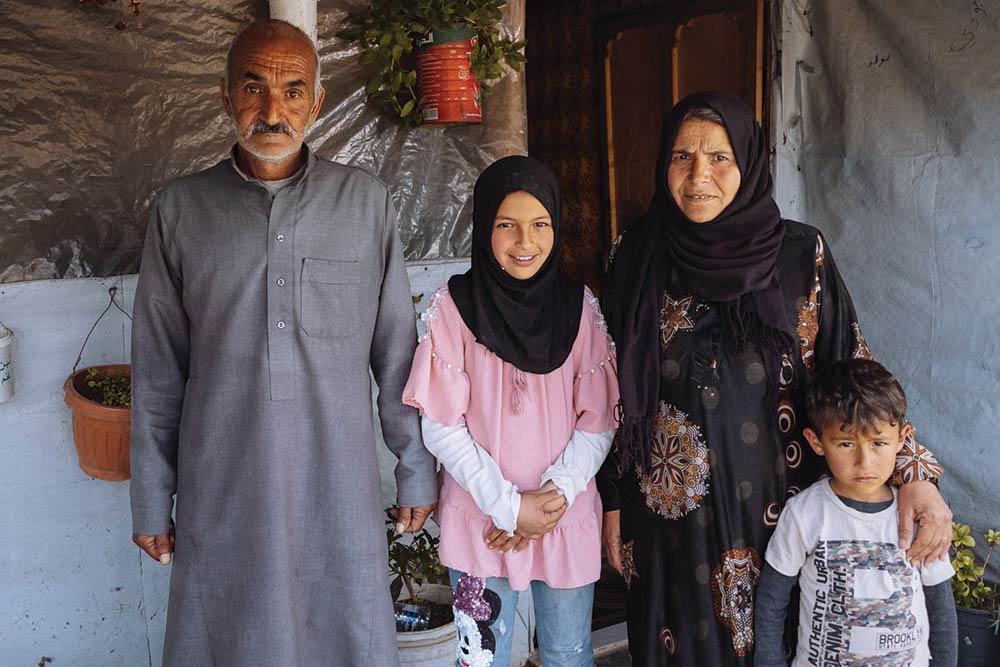
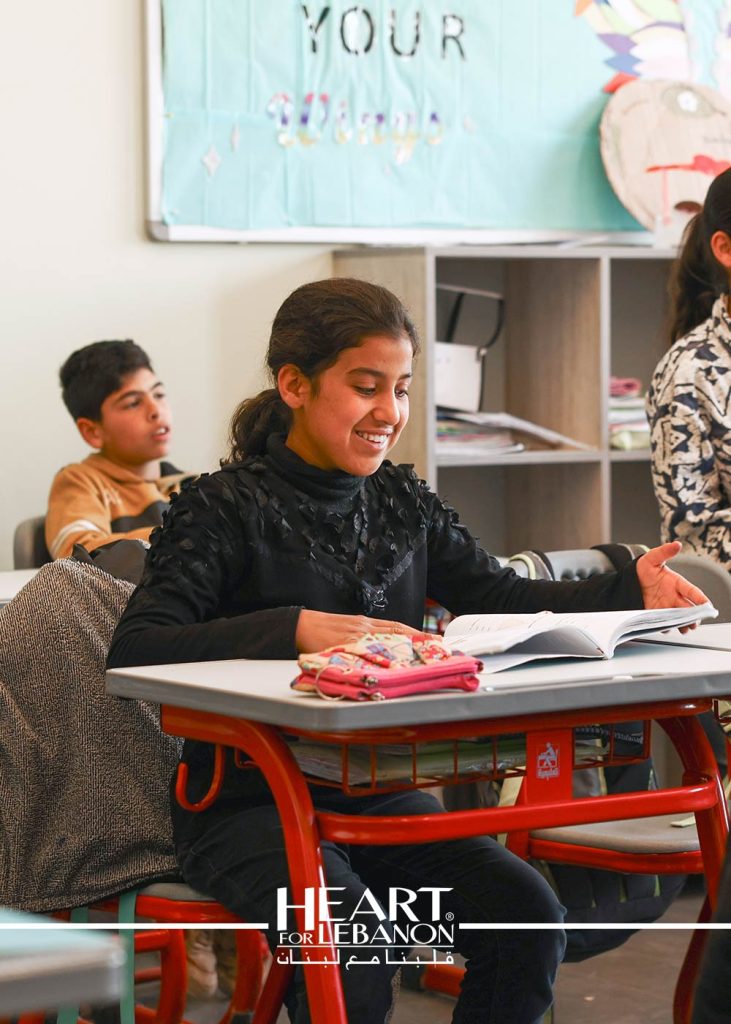
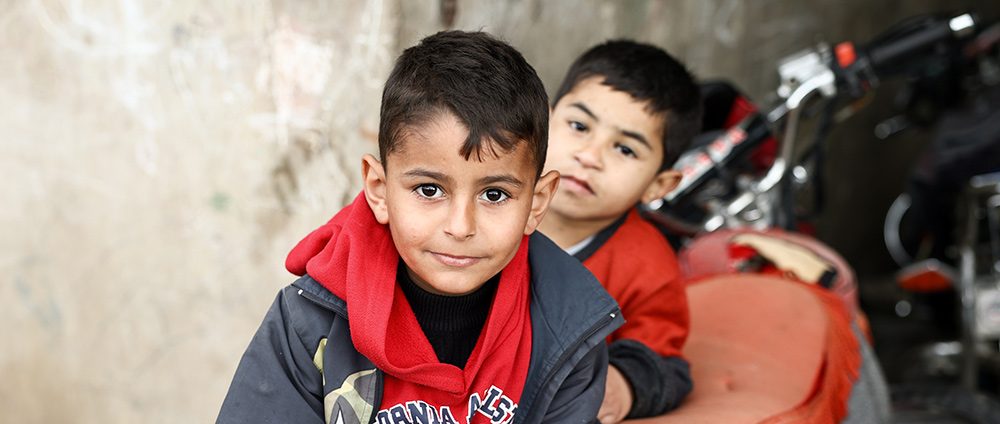
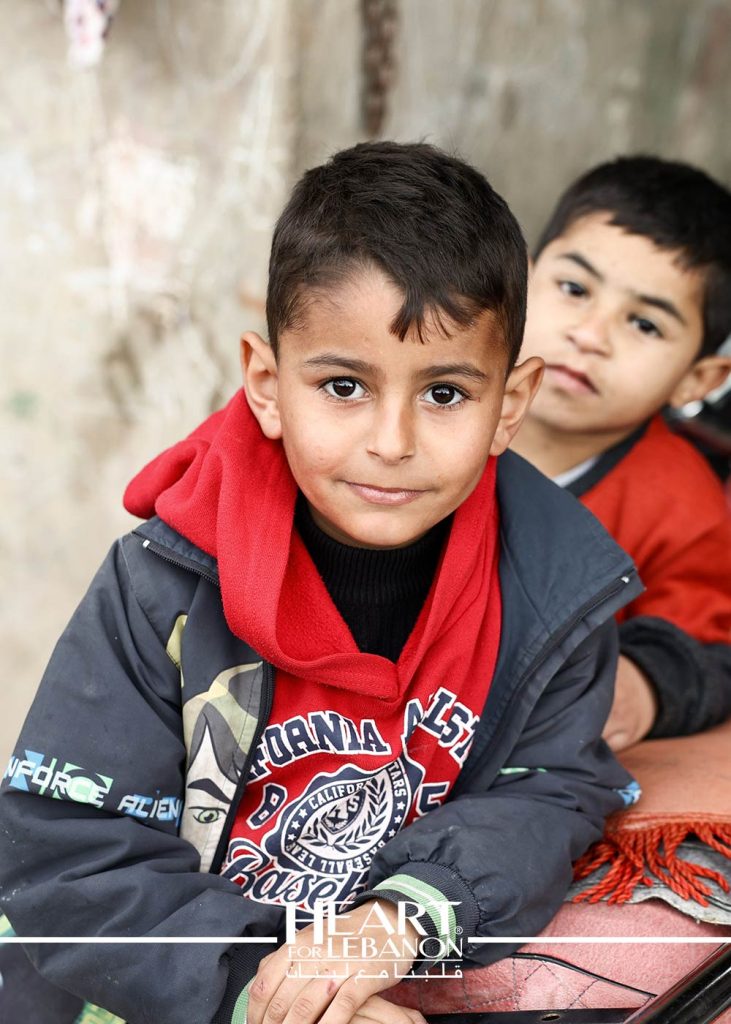
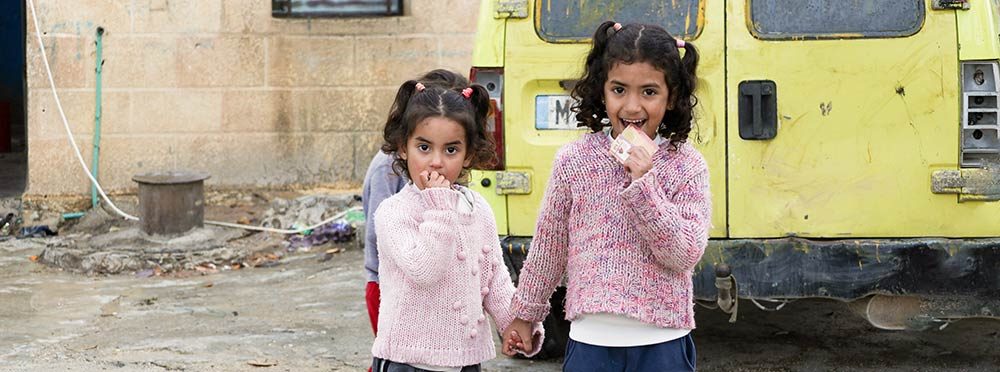
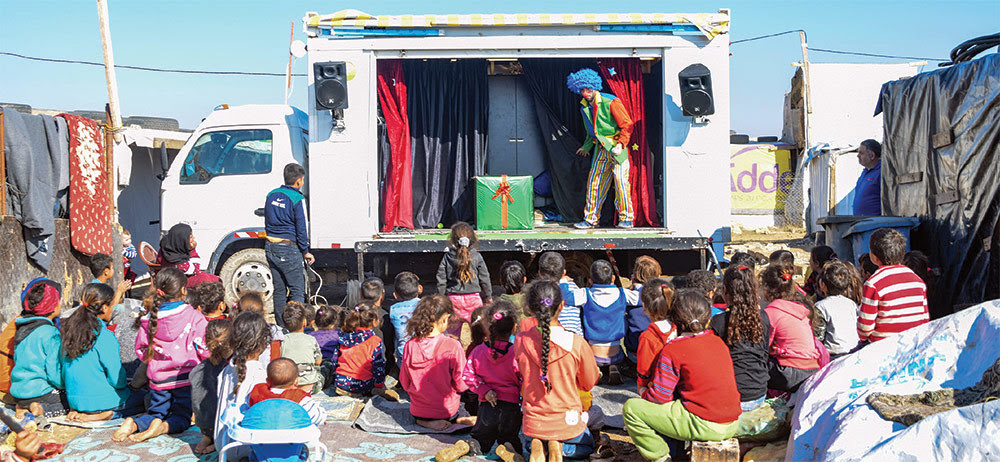
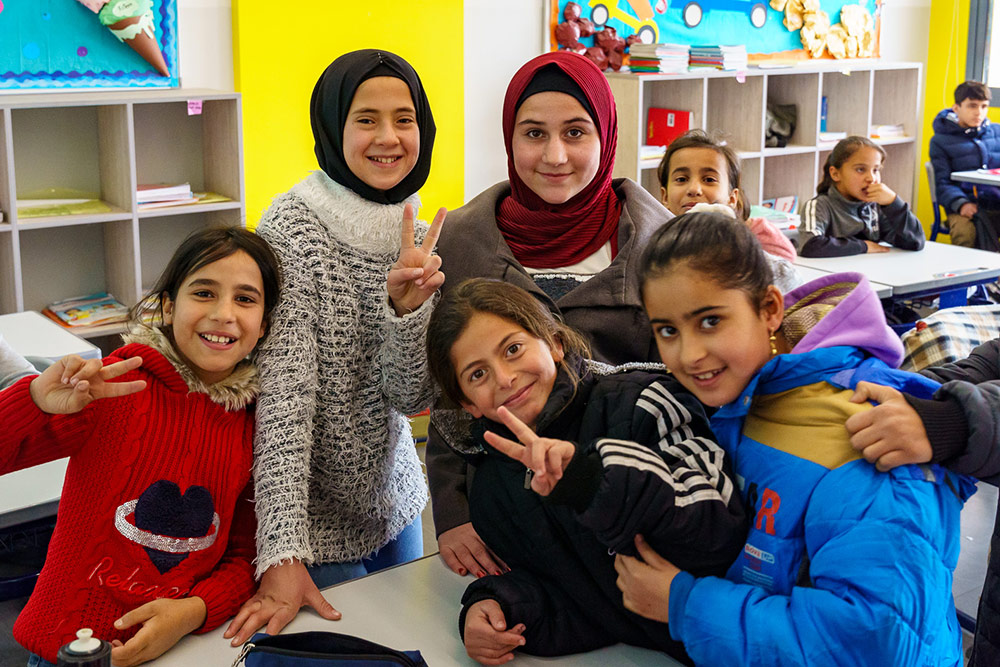
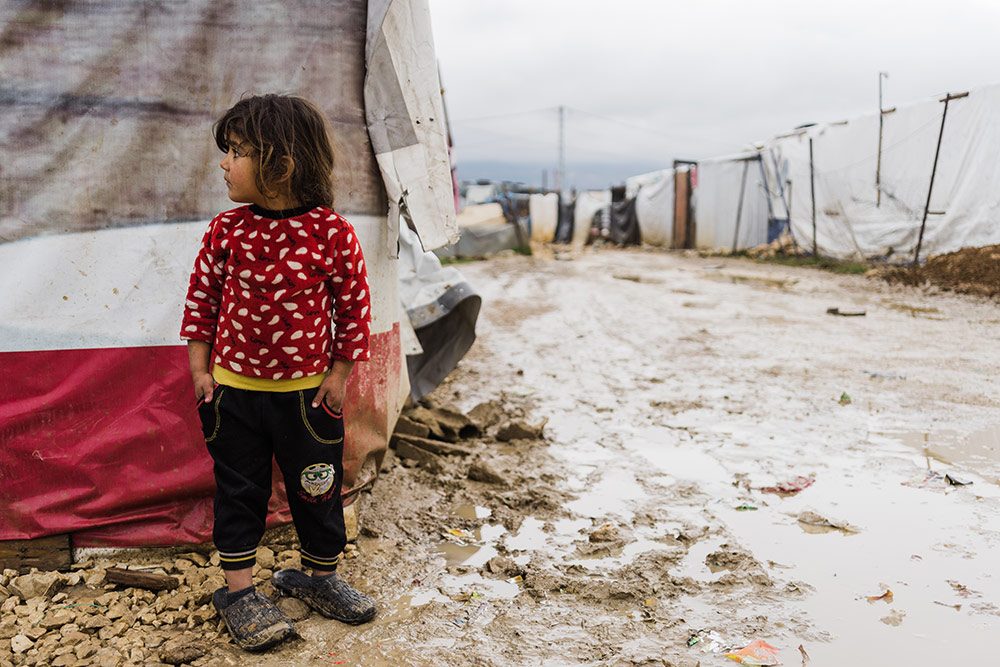
The Syrian refugee crisis has added another layer of complexity to Lebanon’s already dire situation. Since 2011, an estimated 1.5 million Syrian refugees have sought refuge in Lebanon, straining its limited resources and infrastructure to the breaking point. This influx has exacerbated existing socio-economic issues, intensified competition for jobs and resources, and fueled social tensions. Refugees, often living in precarious conditions, face challenges accessing basic necessities like healthcare, education, and employment.
The Global Nature of the Crisis
Anyone observing the intricate and daunting nature of Lebanon’s crises may understandably feel overwhelmed, even exasperated or angered. A walk through Lebanon’s streets reveals a complex tapestry of emotions: resentment towards Syrian refugees, fury at political leaders, frustration stemming from economic hardship, and an overarching sense of despair. Syrian refugees, already burdened by displacement, face escalating hostility and discrimination, with national media campaigns advocating for their expulsion.
That being said, it’s only fair to say that Lebanon is not the only place in the world that is witnessing crises and challenges. The world is grappling with a series of crises, from escalating geopolitical tensions to the relentless impacts of climate change. Economic instability and social unrest further compound these challenges, creating a perfect storm of global uncertainty. In the United States, internal divisions and political polarization have reached alarming levels, fueling a crisis of governance and eroding public trust in institutions. The nation also faces pressing issues such as violence, racial inequality, and the opioid epidemic, which all demand God’s intervention to resolve.
God’s Intervention
Despite the grim reality, a glimmer of hope remains. Beneath the surface of anger, frustration, and despair lies a deep yearning for peace, justice, and healing. Lebanon and the world’s complex problems are not only political or economic in nature; they are also rooted in a spiritual void, a fractured relationship with God.
Beneath this tangled web of injustice lies a deeper truth: a fractured relationship with God, the ultimate source of justice and reconciliation. The path to healing may seem elusive, yet the answer is profoundly simple. The world, now more than ever, yearn for the transformative power of mercy, grace, and love. This cycle of violence, hatred, polarization, and despair can only be shattered by the redemptive blood of Christ.
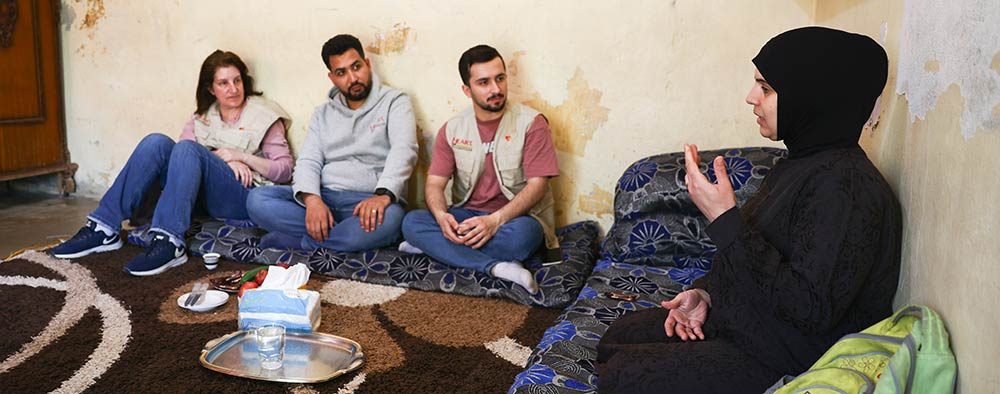
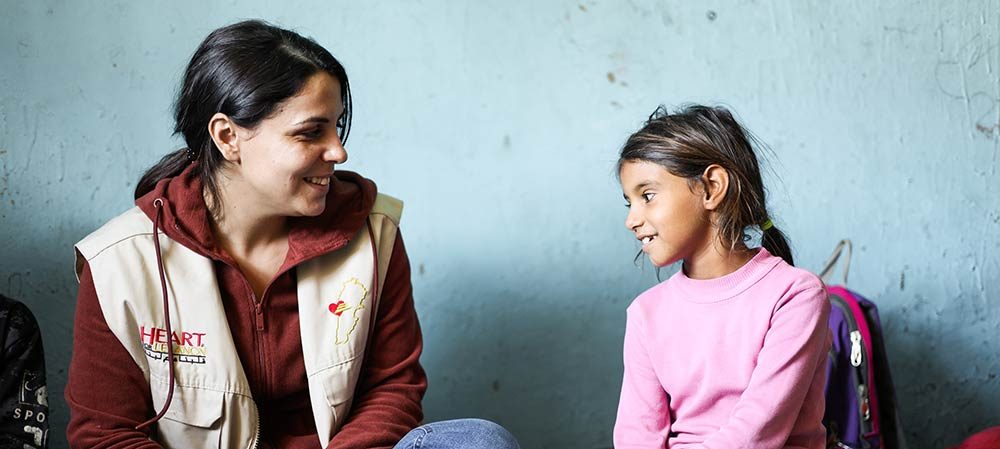
This is where holistic and relational ministry emerges as a beacon of hope. By addressing the physical, emotional, and spiritual needs of individuals and communities, this approach embodies Christ’s love in tangible ways. It offers a refuge from despair, a source of strength in the face of adversity, and a pathway towards healing and reconciliation.
Relational ministry, rooted in genuine connection and empathy, opens hearts and minds to the message of the Gospel. By building trust and demonstrating Christ’s love through acts of service and compassion, we create opportunities for individuals to encounter the transformative power of God’s grace.
Holistic ministry, on the other hand, addresses the multifaceted needs of individuals and communities, recognizing that true well-being encompasses physical, emotional, and spiritual dimensions. By providing practical support alongside spiritual formation, we demonstrate the holistic nature of Christ’s love and invite individuals to experience the fullness of life He offers.
In a world yearning for hope and healing, holistic and relational ministry serves as a powerful tool for leading people to Christ. By embodying His love and addressing the root causes of injustice, we are called to create environments where individuals can encounter the transformative power of the Gospel and find true hope in the midst of despair. In the face of overwhelming challenges, the message remains clear: The world needs Jesus. So look around you, see the despair in the world and at home, and lead people to seek justice in Christ.